







Many people push through tightness, soreness, and persistent discomfort because they expect it to fade on its own. However, ongoing strain often builds pressure in your muscles and joints, so your movement starts to feel restricted. This can slow your progress, increase your risk of injury, and limit how well your body responds to daily demands.
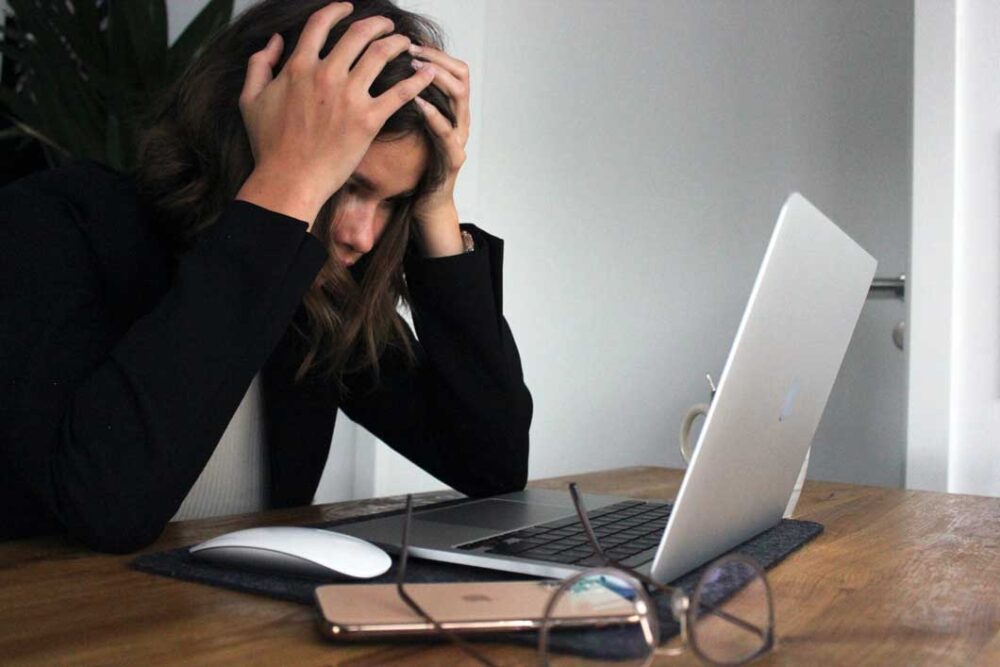
Read to the end to understand the signs your body gives when it needs targeted hands-on care.

1. Persistent Tightness
It’s easy to assume tight muscles are a normal part of everyday life, especially if you train often or sit for long hours. However, persistent tightness in your neck, shoulders, back, hips, or legs points to deeper tension that your body can’t release on its own.
When this tension lingers, it reduces your mobility and places extra stress on surrounding joints. That’s when professional help becomes essential in easing this burden. If you’re in or around the capital, One Body sports massages are a reputable method to ease this strain, since massage improves circulation and soft tissue flexibility.
2. Recurring Pain
Pain that keeps returning is your body’s way of telling you something isn’t working as it should. You might notice discomfort in your lower back, hips, knees, or shoulders, or you may feel sharp tension after certain movements.
These patterns often link to muscular imbalances, restricted joints, or irritated soft tissues. Regular sessions reduce irritation and support recovery so you can move with more comfort and confidence.
3. Performance Plateau
If you train consistently but notice your progress is plateauing or slowing down, your muscles might not be recovering well. A plateau often appears when tightness limits your range of motion or when fatigue builds faster than it should.
You may feel slower, less stable, or more restricted during demanding sessions. Massage improves mobility and muscle balance so your body responds better to both strength and endurance work.
4. Excessive Soreness
Post-workout soreness is expected, although soreness that lingers longer than normal signals that your muscles are struggling to repair. Intense or prolonged discomfort increases the chance of overuse issues like tendon irritation or stiff joints.
Sports massage encourages better blood flow and tissue repair so your body recovers faster and stays ready for regular training or long workdays.
5. Injury Recovery
If you’re recovering from an injury and still feel weakness, stiffness, or reduced movement, targeted soft tissue work can support your progress. Injuries often leave certain muscles tight and others underactive, and this imbalance slows healing.
Sports massage breaks down residual tension and improves circulation around the affected area, so your body regains mobility and strength more safely. It also reduces the chance of reinjury since balanced muscles cope better with daily loads.
When to Seek Support
If you’ve noticed any of these signs for more than a week, or you feel your body resisting normal movement, it’s time to get expert help. Professional treatment gives you a clearer understanding of what’s causing your discomfort and how to manage it.
Safe, hands-on care also means your body receives the right level of pressure so you can ease strain without causing further irritation.
Final Message
Ignoring tension or recurring discomfort only makes recovery harder over time. By acting early through a targeted sports massage programme, you will support your mobility, reduce pain, and protect your long-term physical health.
In addition, listening to your body will help you stay active, confident, and ready for whatever your routine demands next.

Terry Clark is the Publisher and Content Director of 365 Retail, with more than a decade of experience covering retail design, technology innovations, store openings and the wider retail industry. He also works closely with leading retailers, suppliers, agencies, events and industry awards across the UK.