











Almost nine in ten consumers say the returns window influences whether they buy from an online retailer, while more than nine in ten say a bad returns experience would stop them shopping with a brand again, according to research from ecommerce operations platform Reveni.
End to end retail tech provider Reveni’s State of Returns report finds that 92% of surveyed customers would not buy from a brand again following a poor returns experience, highlighting the commercial impact of what has traditionally been treated as a back-end operational process.

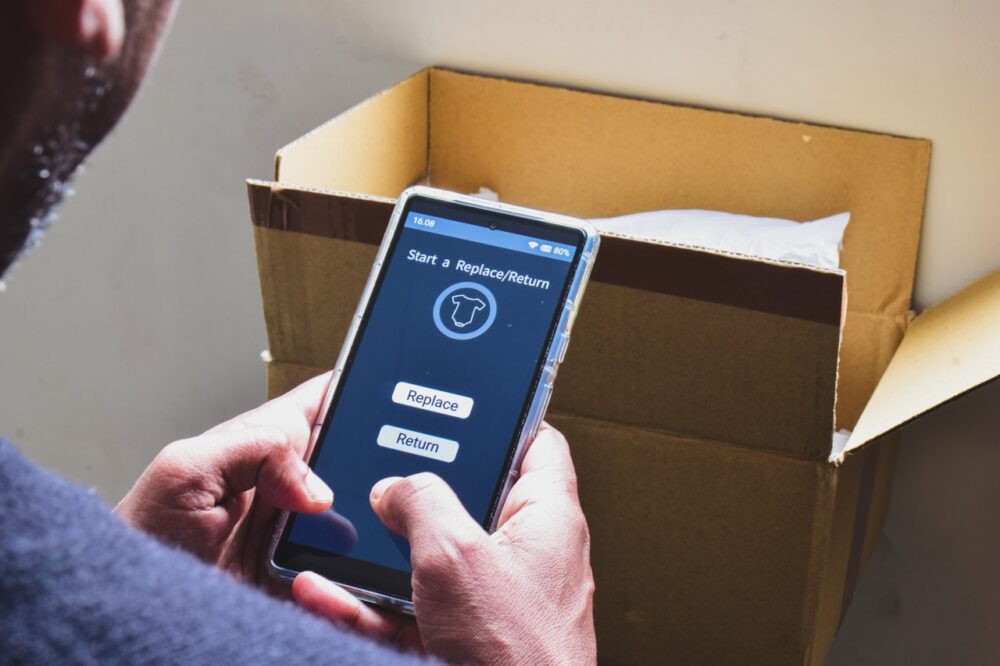
Returns policies are influencing consumers before they even reach the checkout. Nearly two thirds, 65%, review the returns section before completing a purchase, while 89% say the length of the returns window is a factor in their purchasing decision.
The findings come as retailers continue to rethink the era of universally free returns. Reveni found that 87% of the brands it surveyed now charge customers for returns. However, consumers appear to be becoming more accepting of the practice. Almost a third, 32%, say having to pay for a return would not stop them buying from an ecommerce retailer, a figure Reveni says has increased by 20% compared with 2024, and which has resulted in them offering the Reveni Return Protection service to enable consumers to avoid higher return fees later down the line.
Speed could make that acceptance grow further. One in five (20%) consumers say they would be willing to pay for a return if they received an instant refund, suggesting that convenience may increasingly influence how shoppers judge returns policies alongside price.

Shoppers would rather exchange than return
The research also points to an opportunity for retailers to prevent returns from becoming lost sales.
When sizing is the reason an item is being sent back, 88% of respondents say they would prefer to exchange it rather than return it. Among consumers who have already experienced instant exchanges, 60% say the experience exceeded their expectations.
Retailers are responding. Some 87% of brands surveyed by Reveni already offer exchanges within their returns policies and, among these, 92% have introduced instant exchanges into their ecommerce operations.
The report also suggests the profile of the returning shopper is changing. Reveni’s customer data shows that consumers aged 36 to 50 now generate the highest volume of returns and exchanges, overtaking 26 to 35-year-olds, who held the top position in 2024. Returns among 36 to 50-year-olds have risen 27%.
Kevin Paiser VP Global Marketing & Partnerships at Reveni Reveni, said
“Returns have become one of the moments when a customer decides how they really feel about a retailer. Brands spend huge amounts of time and money getting someone through the checkout, but that relationship can be undone very quickly if returning something is slow, confusing or frustrating.
“What’s particularly interesting is that customers aren’t simply telling retailers that everything has to be free. They’re showing that speed, flexibility and convenience have real value. If a customer can exchange an item immediately or get their money back straight away, the return becomes another opportunity to keep that relationship going.
“For retailers, that changes the economics of returns. The goal shouldn’t simply be processing a parcel as cheaply as possible. Understanding why products are coming back, making exchanges easier and getting stock back into circulation quickly can all help protect margin while giving customers a reason to shop again.”
The commercial impact can already be seen among brands using Reveni. Bella Freud has reported a 35% reduction in customer service tickets and a 17% reduction in calls per order since adopting the platform, alongside a 6% improvement in its Trustpilot rating. Exchanges as a proportion of returns have increased by 44%.
Flabelus has meanwhile reported a 13% increase in repeat purchase rates among customers requesting an instant refund. Nearly half of those customers make another purchase within 24 hours.
Kevin added
“For such a long time ecommerce innovation has concentrated heavily on everything that happened before the customer clicked buy. Returns data shows why retailers now need to give the experience after checkout the same attention.
“A return doesn’t automatically have to mean the end of a sale or the end of a customer relationship. If someone wants a different size, an exchange can retain the revenue. If they need a refund, giving them access to their money quickly can mean they are ready to shop again. That is where we think retailers have a significant opportunity.”

Terry Clark is the Publisher and Content Director of 365 Retail, with more than a decade of experience covering retail design, technology innovations, store openings and the wider retail industry. He also works closely with leading retailers, suppliers, agencies, events and industry awards across the UK.