











Peak season can be one of the most profitable times of the year for a growing business. Higher customer demand, seasonal promotions, holiday shopping, and special events can all create a significant increase in orders. But while increased sales are exciting, they can also put pressure on every part of a business’s supply chain especially packaging.
Running out of boxes, bags, mailers, or other packaging materials during a busy period can delay shipments, increase costs, and create a poor customer experience. For businesses that rely on custom packaging to strengthen their branding, last-minute shortages can be even more challenging.

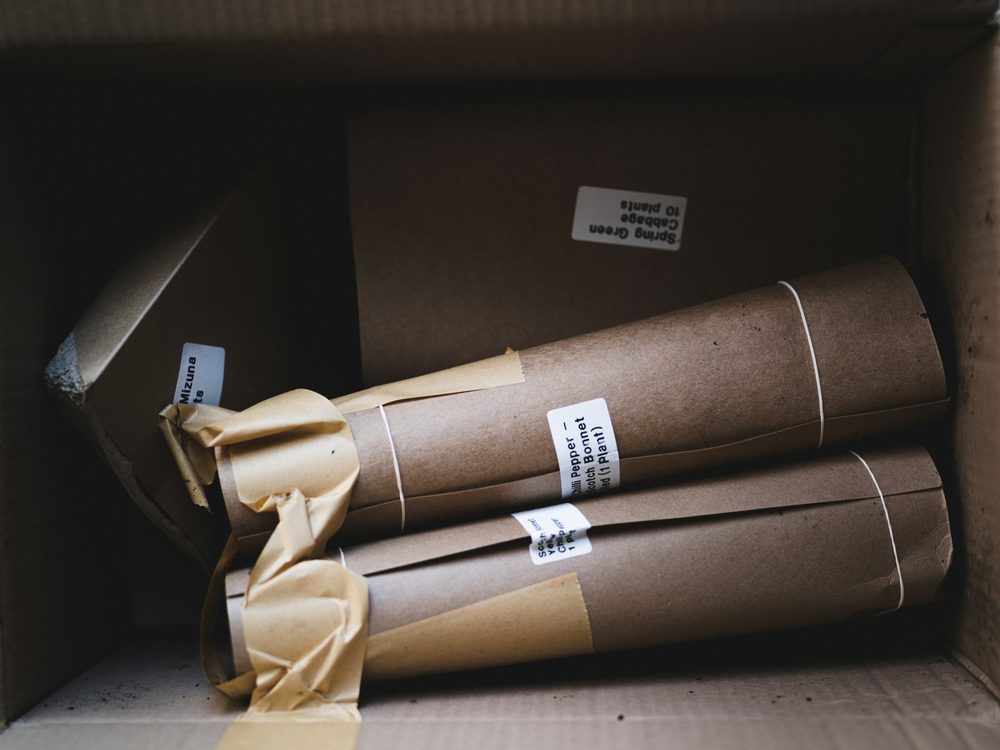
The good news is that many of these problems can be prevented with proper planning. From forecasting demand to working closely with a dependable packaging partner, there are several practical steps businesses can take before the rush begins.
1. Review Your Previous Peak-Season Performance
Before placing your next packaging order, look at what happened during your previous busy season.
Review your sales volume, packaging consumption, average order size, and the products that generated the most demand. If certain packaging sizes or materials were frequently out of stock, make a note of them.
It is also useful to compare your previous forecast with actual demand. If sales exceeded expectations last year, using the same packaging quantity without adjustments could leave you unprepared again.
Historical data gives you a practical starting point for building a more accurate packaging plan.
2. Forecast Demand as Early as Possible
Waiting until peak season is only a few weeks away can make packaging procurement much more difficult.
Create a demand forecast based on previous sales, upcoming promotions, seasonal trends, and expected business growth. If you are planning a major marketing campaign or product launch, include that potential increase in your calculations.
Instead of focusing only on your average monthly packaging usage, estimate your expected demand for the entire peak period.
A useful forecast can include:
- Expected number of orders
- Packaging required per order
- Additional packaging for damaged or unusable units
- Expected sales growth
- Promotional or seasonal demand
- Safety stock requirements
The earlier you understand your potential packaging needs, the more time you have to address supply issues.
3. Build a Reasonable Safety Stock
Even a carefully prepared forecast can be wrong.
Unexpected demand, production delays, transportation problems, or supplier issues can quickly affect your inventory. Maintaining safety stock provides an additional layer of protection.
The right amount depends on your business, supplier lead time, and historical demand. Businesses with longer production or shipping timelines may need a larger buffer than those with faster replenishment options.
However, avoid simply ordering excessive quantities. Too much inventory can tie up cash, consume storage space, and leave you with packaging that may become outdated after a seasonal campaign.
The goal is to create a balanced inventory buffer that protects your operations without unnecessarily increasing costs.
4. Choose the Right Packaging Partner
Your packaging supplier can have a direct impact on your ability to handle peak-season demand.
When choosing a custom packaging supplier, consider more than just the unit price. Look at production capacity, lead times, communication, material availability, quality control, and previous experience with larger orders.
A supplier that communicates clearly about production schedules can help you identify potential problems before they affect your customers.
It is also worth discussing your peak-season requirements in advance. Sharing your expected order volume and preferred delivery schedule gives your supplier more time to plan production and allocate the necessary materials.
5. Order Custom Packaging Before the Rush
Custom packaging generally requires more planning than standard, off-the-shelf packaging.
Design approval, material selection, printing, production, and shipping can all add time to the procurement process. During peak season, these timelines may become even longer because suppliers can be handling increased demand from multiple customers.
For this reason, businesses should avoid treating packaging as a last-minute purchase.
Prepare your artwork and specifications early, confirm quantities, approve samples when necessary, and establish a realistic delivery timeline before the busy period begins.
Early planning can also give businesses more flexibility if changes are required.
6. Keep Your Packaging Design Practical
Beautiful packaging can help create a memorable unboxing experience, but peak season is not the ideal time to introduce unnecessary complexity.
Consider whether your packaging design can be produced efficiently at higher volumes. Complicated structures, unusual materials, or multiple packaging components may require additional production time.
A strong seasonal packaging strategy should balance appearance, functionality, and production efficiency.
Your packaging should protect the product, represent your brand, and remain practical to manufacture and ship at scale.
7. Consider Multiple Packaging Sizes
Using one packaging size for every product can create unnecessary costs.
If a package is significantly larger than the product inside, you may spend more on materials, storage, and shipping. On the other hand, packaging that is too small can increase the risk of product damage.
Review your product range and determine which packaging sizes are actually necessary.
Using appropriately sized boxes, bags, mailers, or other formats can help businesses improve packing efficiency while creating a more professional presentation for customers.
8. Check Quality Before Peak Season Starts
A packaging problem that seems minor during normal operations can become a serious issue when order volumes increase.
Before peak season, inspect your existing packaging inventory and test new batches when necessary. Check printing quality, dimensions, strength, closures, handles, and other important features.
If your packaging protects products during shipping, perform practical tests before placing a large order.
It is much easier to identify a quality issue when you still have time to fix it than after thousands of orders are waiting to be shipped.
9. Coordinate Packaging With Your Fulfillment Team
Packaging procurement should not operate separately from fulfillment.
Your warehouse or fulfillment team should know what packaging is arriving, when it is expected, and how it will be used. This allows the team to prepare storage areas and establish efficient packing procedures before order volume increases.
For example, if a seasonal campaign is expected to generate a large number of orders, packaging should be positioned where employees can access it quickly.
Better coordination between procurement, inventory, and fulfillment can reduce unnecessary delays during the busiest weeks.
10. Have a Backup Plan
Even strong supply chains can experience unexpected disruptions.
A supplier may experience production delays, shipping problems, or material shortages. Having a backup strategy can help minimize the impact.
Depending on your business, this could involve maintaining additional safety stock, identifying alternative packaging materials, or establishing relationships with another packaging provider.
It can also be useful to work with an experienced packaging company such as PackFancy when businesses need custom packaging options that align with their products, branding, and operational requirements.
The objective is not necessarily to replace your primary supplier. Instead, having alternatives gives your business more options if something goes wrong.
11. Monitor Inventory Throughout Peak Season
Preparing your packaging inventory before peak season is only the beginning.
Track packaging usage as orders increase. Compare actual consumption with your original forecast and watch for unexpected changes.
If certain packaging formats are being used faster than expected, you may need to adjust your purchasing plans sooner rather than later.
Simple inventory monitoring can help prevent the common situation where a business discovers it is running low only after demand has already reached its highest point.
12. Start Planning for the Next Peak Season
Once the busy period is over, review what worked and what did not.
Which packaging products ran low? Which ones were overstocked? Were supplier lead times accurate? Did your forecast match actual demand? Were there any quality or delivery problems?
Documenting these lessons can make the next peak season easier to manage.
Supply chain planning is an ongoing process. Every peak season provides valuable information that can improve purchasing decisions, inventory management, and packaging efficiency in the future.
Final Thoughts
Peak season puts pressure on almost every part of an e-commerce and retail operation, and packaging is no exception. Businesses that wait until demand has already increased may have fewer options and less time to solve supply problems.
By forecasting demand early, maintaining sensible safety stock, checking quality, coordinating with fulfillment teams, and building strong supplier relationships, businesses can create a more resilient packaging supply chain.
Most importantly, treat packaging as part of your overall customer experience not simply as a material used to ship a product. Well-planned custom packaging can protect products, support brand identity, and help businesses deliver a consistent experience even when order volumes are at their highest.

Terry Clark is the Publisher and Content Director of 365 Retail, with more than a decade of experience covering retail design, technology innovations, store openings and the wider retail industry. He also works closely with leading retailers, suppliers, agencies, events and industry awards across the UK.