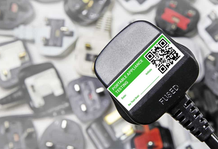








Walk into almost any shop today and you’ll notice something small but powerful: the QR code. Whether it’s sitting on a product label, a poster, or a receipt, these little black-and-white squares have quietly become one of the most useful tools in retail. What once felt like a short-lived trend has now proven its staying power and for good reason.
At the heart of this rise is the QR code generator. Simple to use, low cost, and endlessly flexible, it’s giving retailers new ways to connect with customers and run their businesses more efficiently.


The Return of the QR Code
QR codes aren’t new. They were invented back in the 1990s for tracking car parts in factories. But their big retail moment came during the pandemic. Shops, cafés, and restaurants turned to QR codes for contactless menus, payments, and promotions. Consumers got used to scanning codes with their phones and crucially, they discovered how easy it was.
That habit stuck. Today, customers expect instant access to product details, reviews, offers, and digital receipts. For retailers, a QR code generator makes it possible to deliver all of that without adding friction to the shopping journey.
How Retailers Are Using QR Codes Today
One of the biggest reasons QR codes have stuck around in retail is because they’re so adaptable. Walk through a shop and you’ll see them being used in all sorts of ways. Some retailers print them on packaging so shoppers can pull up product specs, washing instructions, or even sustainability details that wouldn’t fit on a tiny label. Others place them on posters or shelf displays so a quick scan unlocks a discount, loyalty points, or a digital coupon at checkout.
They’re also showing up in the click-and-collect process. Many receipts now carry a QR code that lets customers track orders or manage returns without having to dig through emails. And more stores are using them to gather feedback a code on the till or a shopping bag gives shoppers an easy way to leave a review while the experience is still fresh.
The best part is that all of these uses can come from the same QR code generator, no extra systems or heavy investment required.
Why It Works So Well in Retail
Retail has always been about speed and experience. Shoppers don’t want to jump through hoops just to find the right information. QR codes fit perfectly because they take a single tap to use.
They also solve a big headache: keeping information up to date. Let’s say you run seasonal promotions. Instead of reprinting posters every time, you keep the same QR code and simply update the content behind it. The code never changes, but the offer does.
From a cost perspective, that flexibility is huge. Printing less also supports sustainability goals something many retailers are being pushed to demonstrate more clearly to their customers.
Digital Engagement That Continues After the Visit
The real value of QR codes doesn’t end once the customer walks out the door. A scan often becomes the first step in a longer interaction. Someone might scan a product label and sign up for your newsletter on the spot. Or they might download a care guide and, while reading it, stumble across recommendations for other products they hadn’t considered. Even something as simple as a digital receipt can double as a loyalty sign-up.
Individually, these are small moments. But strung together, they build stronger relationships and keep your brand in the customer’s mind long after the purchase. In a competitive market, that kind of ongoing engagement can be a real differentiator.
Lessons From Big and Small Players
Large retailers have already embraced this shift. Fashion brands use QR codes on tags to show style inspiration or sustainability credentials. Supermarkets place codes on packaging to offer recipes and nutritional details. Even luxury brands are adopting QR codes as a way to authenticate products and fight counterfeiting.
But smaller retailers stand to gain just as much. With free or affordable tools like a QR code generator, independent shops can run promotions, share catalogs, or collect feedback without heavy investment. It levels the playing field by giving smaller players the same digital tools as global chains.
What’s Coming Next
If the last couple of years proved anything, it’s that QR codes aren’t just a passing phase. And the next wave won’t stop at linking to a PDF or a static page. Retailers are already starting to plug them into bigger systems loyalty apps, CRMs, even marketing automation. In practice, that could mean a scan at the till that instantly loads a personalised offer, or a code on a product tag that recommends matching items based on what you’ve bought before.
Payments are another big one. Walk through a shop in China or India and you’ll see QR-based payments everywhere no cards, no cash, just a scan. It makes checkout quicker for customers and cheaper for retailers. Europe is a bit behind on this, but the trend is moving fast. Don’t be surprised if in a year or two scanning to pay is just as normal here as tapping a card.
Final Thoughts
Retail is changing all the time, but not every change has to be flashy or expensive. Sometimes the simple tools end up being the most powerful. QR codes fall squarely into that category. With a basic QR code generator, shops can share extra product info, run promotions, collect feedback, or build loyalty all through a quick scan.
For shoppers, it feels easy and familiar. For retailers, it’s low-cost and effective. And when you zoom out, it’s another sign that the line between the physical store and the digital experience is getting thinner every day.

Terry Clark is the Publisher and Content Director of 365 Retail, with more than a decade of experience covering retail design, technology innovations, store openings and the wider retail industry. He also works closely with leading retailers, suppliers, agencies, events and industry awards across the UK.