











Mica, a naturally occurring mineral, has a distinctive layered structure. That’s what allows it to be split into thin sheets.
The United States Geological Survey (USGS) states that the mica group contains 37 phyllosilicate minerals, with muscovite and phlogopite being the commercially important varieties.
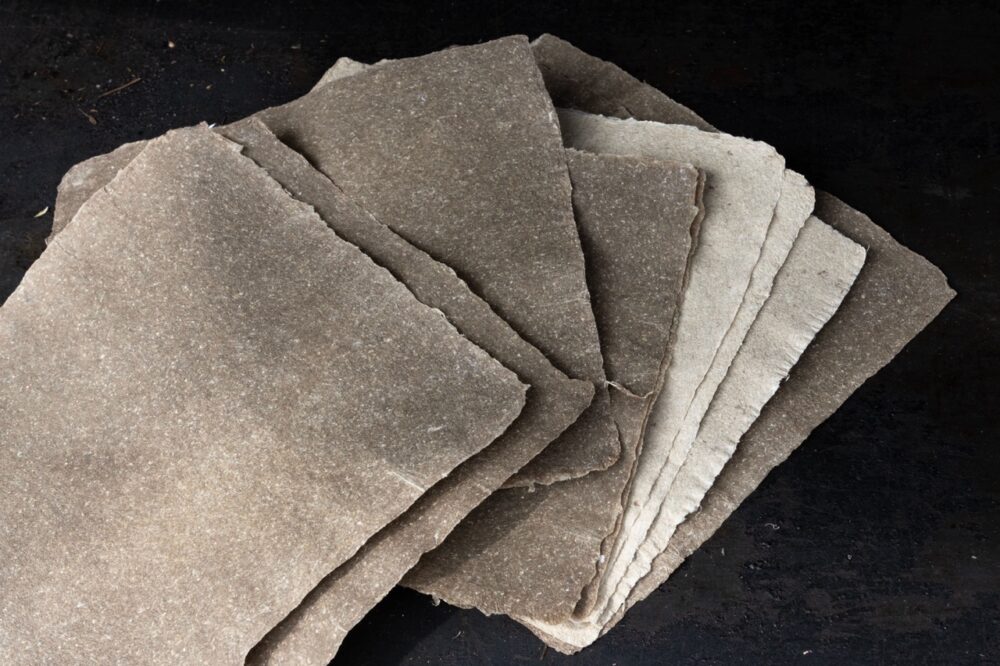
The article talks about different types of mica sheets, their key physical and electrical properties, benefits of using mica sheets, industrial and electrical applications and the difference between mica and Formica.
Mica sheets vary by mineral composition, manufacturing process, thickness, and intended end use.
What Are Mica Sheets?
Mica is a group of layered silicate minerals. Its layered structure gives it excellent cleavage and can be separated into thin, flexible sheets. Mica sheets can provide electrical insulation and withstand elevated temperatures. Depending on the type and grade, mica can be transparent, translucent, or opaque.
Mica sheets are resilient, reflective, refractive, dielectric, chemically inert, insulating, lightweight, and stable under electricity, light, moisture, and extreme temperatures.
Main Types of Mica Sheets
Muscovite Mica Sheets
Muscovite mica sheet is one of the two commercially important mica varieties identified by the USGS.
They have:
- Excellent electrical insulation
- High dielectric strength
- Low electrical conductivity
- Good flexibility
- Transparency or translucency in suitable grades
- Resistance to heat
- Ease of splitting and fabrication
Muscovite sheet is known for its electrical insulation and is used in equipment. Including electrical apparatus, generators, and other applications where dielectric performance is important.
Phlogopite Mica Sheets
Phlogopite differs from muscovite sheets.
They are known for:
- Strong thermal performance
- Electrical insulation
- Good resistance to heat
- Suitability for applications exposed to elevated temperatures
- Mechanical and dimensional performance in demanding environments
USGS data also documents phlogopite use in electrical equipment and other industrial applications, including insulation and high-temperature uses.
Muscovite and phlogopite should not automatically be treated as interchangeable. The appropriate grade depends on the application’s temperature, electrical, mechanical, and fabrication requirements.
Other Mica-Based Sheet Products
Manufactured or processed mica materials include a variety of mica-based sheet products, such as:
- Rigid mica sheets
- Flexible mica sheets
- Mica plates
- Mica paper-based insulation
- Mica laminates
- Fabricated mica components
Industrial mica sheets can be produced or selected in different thicknesses, formats, and grades according to the application.
Key Properties of Mica Sheets
Electrical Insulation
Mica’s dielectric characteristics make it valuable where electrical isolation is required. Historical USGS research specifically highlights its low electrical conductivity, dielectric strength, and low dielectric loss.
Heat Resistance
Its ability to perform in high-temperature environments makes it useful in electrical and heating equipment.
Flexibility and Cleavage
Its layered structure allows mica to be split into thin sheets, while suitable mica grades can retain useful flexibility.
Chemical Stability
Mica is relatively chemically inert, which can be valuable in demanding industrial environments.
Lightweight Construction
Thin mica sheets can provide insulation without adding substantial weight.
Benefits of Using Mica Sheets
The benefits of using mica sheets are:
- Reliable electrical insulation
- Performance at elevated temperatures
- Thin and lightweight construction
- Good dimensional stability
- Versatility in fabrication
- Long service potential in suitable applications
- Availability in different grades and formats
Mica sheet performance depends on the mica grade, thickness, temperature, environment, and construction.
Applications of Mica Sheets
Electrical and Electronics
They are used for:
- Motors
- Generators
- Transformers
- Electrical insulation
- Heating elements
- Insulating barriers
- Specialized electronic equipment
USGS records extensive use of sheet mica as an electrical insulating material and in equipment such as motors, generators, and electrical apparatus.
Industrial Equipment
They are used in:
- Furnaces
- Heating equipment
- High-temperature machinery
- Industrial insulation
- Components requiring electrical isolation
Automotive and Transportation
Mica insulation sheets are used in selected electrical and thermal applications.
Specialized Manufacturing
Fabricated mica components, insulation parts, plates, rings, and other shapes are used where appropriate.
Mica vs Formica: What’s the Difference?
Mica and Formica are not the same material.
Mica is a natural mineral group. Formica is a brand associated with high-pressure laminate surfacing products.
Formica’s laminate is made primarily from layers of paper impregnated with resin and compressed under high heat and pressure.
| Mica | Formica |
| Natural mineral | Manufactured laminate |
| Electrical insulation | Decorative/protective surfacing |
| High-temperature applications | Furniture and interior surfaces |
| Dielectric properties | Wear and impact resistance |
| Used in electrical/industrial equipment | Used on countertops, cabinets, walls, furniture |
Formica is used for applications including countertops, cabinetry, furniture surfaces, and wall panels.
How to Choose the Right Mica Sheet
The right mica sheet can be chosen by deciding the following:
- Mica type
- Operating temperature
- Required dielectric performance
- Thickness
- Mechanical requirements
- Flexibility
- Environmental exposure
- Required dimensions and tolerances
- Fabrication method
Muscovite mica sheet and phlogopite mica sheet can serve different requirements. So, select based on the application’s actual operating conditions rather than simply choosing the cheapest option.
Conclusion
Mica sheets remain valuable because their electrical insulation, thermal performance, thin-sheet construction, and versatility allow them to serve demanding industrial applications.
Understanding the different types of mica sheets, their properties, benefits, and applications makes it easier to select the right material for a particular electrical, thermal, or industrial requirement. Mica should also not be confused with Formica, a resin-based laminate surfacing material designed for a completely different range of applications.

Terry Clark is the Publisher and Content Director of 365 Retail, with more than a decade of experience covering retail design, technology innovations, store openings and the wider retail industry. He also works closely with leading retailers, suppliers, agencies, events and industry awards across the UK.