







Hybrid shopping is set to define festive retail performance in 2025, according to new analysis from data specialists CACI. The latest research reveals that 87% of UK consumers plan to buy Christmas gifts both online and in store this year, highlighting the ongoing shift towards integrated multichannel behaviour.
Only 7% of respondents said they intend to shop solely in physical stores, while just 6% expect to make all purchases online. The findings indicate that pureplay models remain a minority preference, with most shoppers combining digital convenience with in-person experiences.


Generational and gender splits provide further insight. Among Gen Z respondents, 19% of men plan to shop exclusively online, compared to just 1% of women in the same age group. In contrast, 13% of male and 7% of female Baby Boomers anticipate doing all their Christmas shopping in store, underlining the enduring importance of physical retail among older consumers.
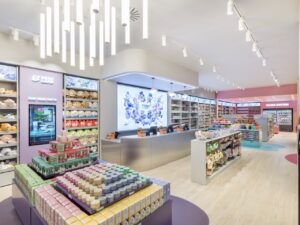
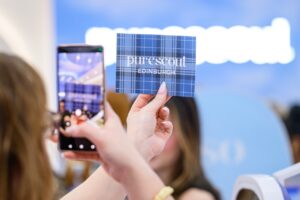
Performance data from December 2024 supports the value of a strong multichannel strategy. Brands that offered an integrated approach across physical and digital channels saw notable year-on-year growth. Korean skincare label PureSeoul, which opened a 3,000 square foot flagship store in Carnaby Street earlier this year, reported a 118% rise in December 2024 sales compared to the previous year. Known for balancing online reach with selective physical retail, the brand demonstrates the impact of blending channels effectively.
UNIQLO, which integrates app, website and store experiences, achieved a 22% uplift in December 2024 year-on-year sales. POPMART, which combines e-commerce with physical vending installations, saw sales increase 337% over the same period.
By contrast, brands with a limited multichannel presence experienced year-on-year declines. Gifting and stationery retailers such as WH Smith, Haribo, Smiggle and MenKind recorded drops in December 2024 sales, with respective decreases of 2.6%, 13%, 6% and 3.2%. CACI attributes this underperformance to overreliance on in-store footfall and weak digital differentiation.
Even among online-only brands, performance varied. While Shein posted an 87% year-on-year increase for December 2024, it experienced a 35% decline from November to December, indicating vulnerability in seasonal momentum without a physical presence.
Alex McCulloch, Director at CACI, commented: “If we look at the data from last Christmas, and what we’re hearing from consumers now, it’s clear that the brands set to win this season are the ones that recognise the need for a true multichannel approach. Not just because it’s practical, but because physical stores help build loyalty that carries over to online. That loyalty is being reinforced even earlier, as more retailers turn their stores into experiential spaces, some operating almost like clubhouses that create connection and community long before a purchase is made. And as consumers spread their spending earlier and across more channels, that depth of engagement becomes a real competitive advantage. This shows that hybrid shopping isn’t just a trend, it’s become the default way people shop, and brands need to design with that in mind.”
This update follows CACI’s recent report on how festive events are influencing retail sales, with Christmas light switch-ons contributing to spend uplifts of up to 29%.

Terry Clark is the Publisher and Content Director of 365 Retail, with more than a decade of experience covering retail design, technology innovations, store openings and the wider retail industry. He also works closely with leading retailers, suppliers, agencies, events and industry awards across the UK.
Related Posts